Cryotherapy for skin lesions
Precise freezing treatment for skin tags, warts, verrucae, cherry spots, milia and some sun spots, after a careful assessment.
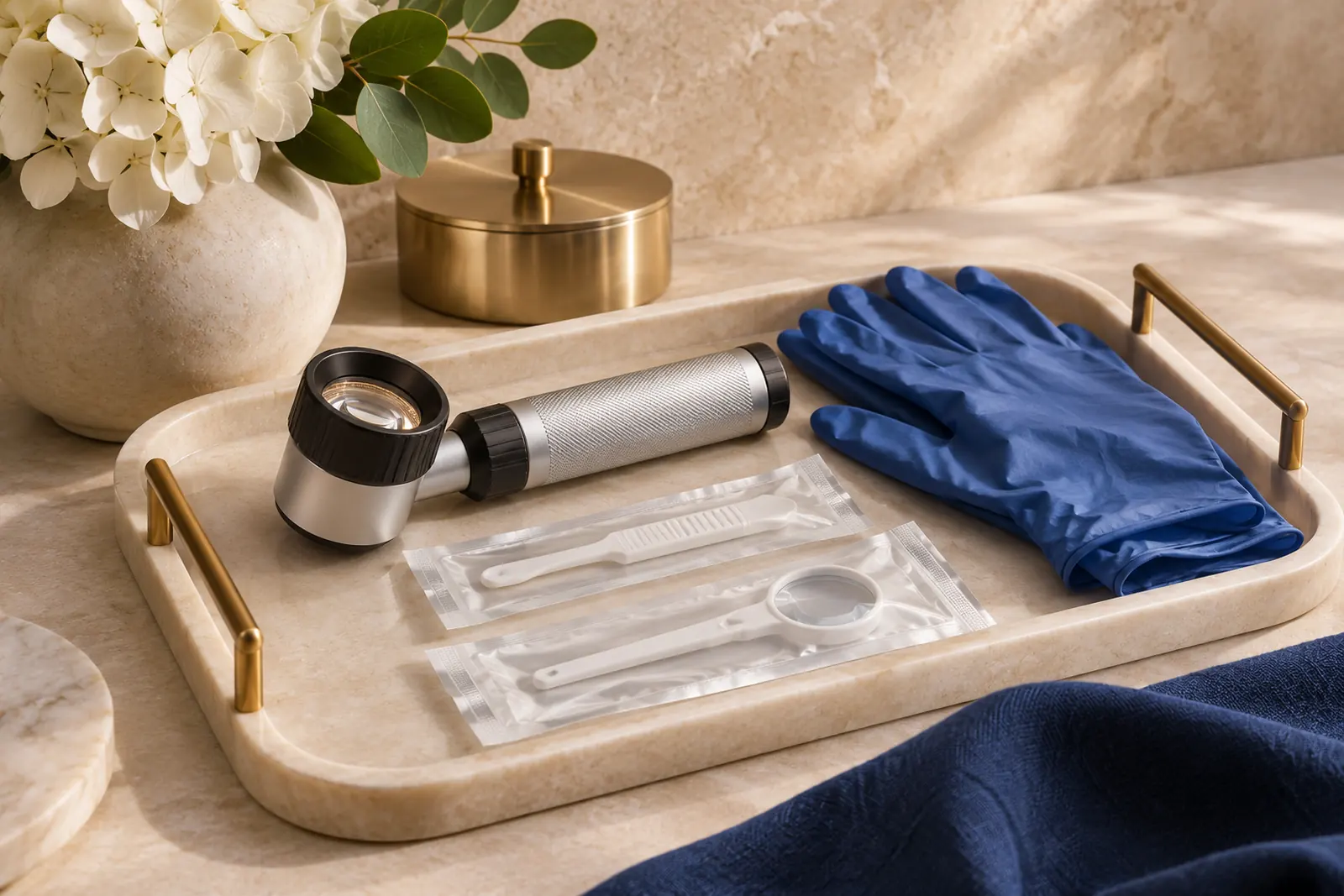
Cryotherapy freezes a skin tag or wart with a fine, precise application, so the surrounding skin is left alone. The area then forms a small scab and heals over the following days to weeks.
Every lesion is assessed before treatment. Anything that looks unusual is not treated, and you'll be advised to see your GP or a dermatologist.
Cryotherapy appointments
A clinical assessment of the lesion, with treatment in the same appointment if it's suitable. From age 14.
For a lesion that needs a specialist's opinion first. See mole checks.
Small red spots on the skin, treated with precise cryotherapy.
For warts and verrucae that need another session, or a check on healing.
What it can treat
Skin tags, common warts and verrucae, cherry angiomas (small red spots), milia, seborrhoeic keratoses and some sun spots and age spots. These are usually harmless but can catch on clothing, look unsightly or simply bother you.
Every lesion is assessed before it's treated. If anything looks unusual, it isn't frozen: you'll be advised to see your GP or a dermatologist, or offered a specialist report.
How it works
The device releases a very fine jet of nitrous oxide at high pressure, which freezes the lesion with millimetre precision and leaves the healthy skin around it alone. Each application lasts seconds.
The clinic uses a CryoIQ device, a Class IIa medical device. Rebeca is trained and certified by Cryosthetics, and the clinic is listed in their clinic finder.
You'll feel a sharp sting of cold, a little like a pinprick, which passes quickly. There's no need for numbing and you can go back to normal activities straight away.
Healing
The area turns red and may blister, then forms a small scab that falls off over one to three weeks, depending on the size and where it is. Warts and verrucae sometimes need a second session. Keep the area clean and protect it from the sun while it heals.
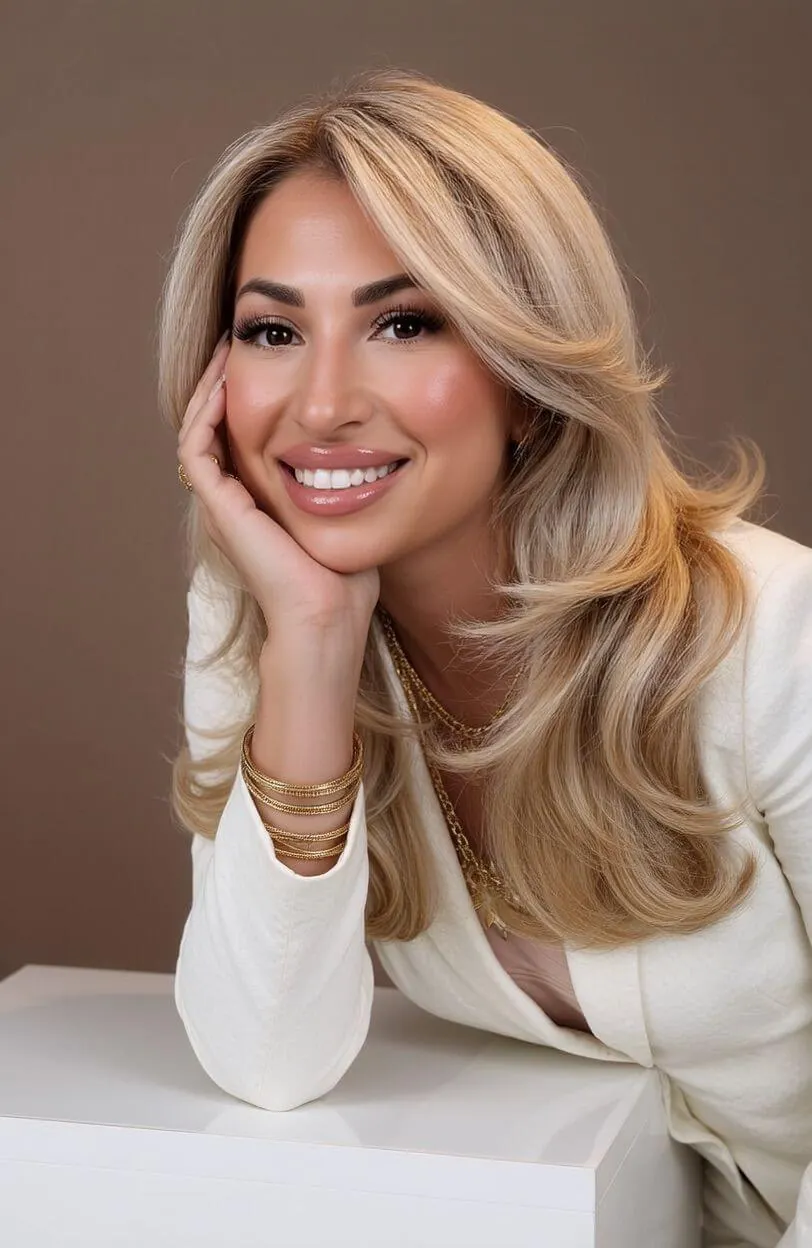
Honest advice, and knowing when to say, “You don't need that.”
Rebeca Lydiatt · RGN, Nurse Prescriber
How it works

Your goals, history and questions first.

Rebeca explains options, cost and timings.

Around 15–45 min, only what you need.

Aftercare to follow and a review if needed.
Is it right for you?
- Every lesion is assessed first. Anything unusual is not treated and you'll be referred.
- Not offered on moles.
- A blister or scab is normal and part of healing.
- Less common: lighter or darker skin at the site, which may be long-lasting.
- Rarely: scarring or the lesion returning.
Results vary from person to person. Everything is explained before you consent, and you can take time to decide.
Good to know
Is every lesion treated?
No. Each one is assessed first. Anything unusual is referred, not treated.
Does it hurt?
There's a brief, sharp cold sensation, which settles quickly.
Will I need more than one session?
Sometimes, particularly for warts. You'll be told at your appointment.
What happens afterwards?
A small blister or scab forms and falls away as the skin heals.
You might also consider
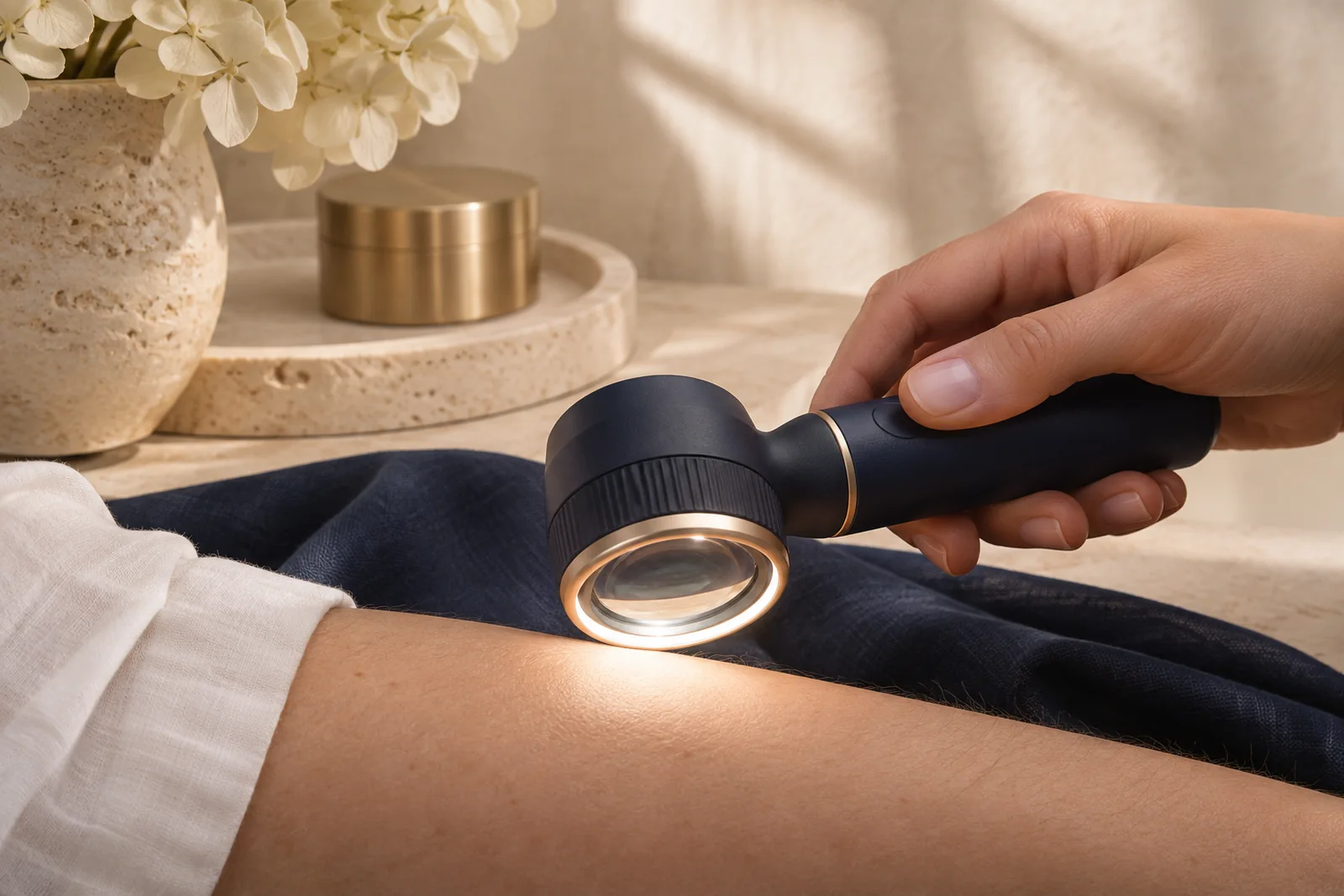
 Skin lesions
 Consultations
Questions about cryotherapy for skin lesions?
Leave your details and Rebeca will get back to you, usually the same working day.
“Very refreshing to have expert advice in a clear, non-pushy way.”